
Scientists have discovered a gene responsible for root anatomy in corn that could lead to the development of more resilient crops. The gene, known as ZmCIPK15, controls the formation of aerenchyma, which is a network of air spaces that help roots survive in waterlogged soil. The discovery of this gene could have significant implications for crop breeding, as it provides a way to identify and select for corn varieties that are better adapted to waterlogged soil.
Month: March 2023
Science

Continue Reading
Spacesuit for Moon return revealed
NASA has unveiled a new spacesuit designed for use in the upcoming Artemis program, which aims to return humans to the moon by 2024. The new suit, known as the Exploration Extravehicular Mobility Unit (xEMU), is an upgrade from the suits used during the Apollo missions of the 1960s and 70s. The xEMU is designed to provide better mobility and flexibility, with the ability to withstand extreme temperatures and pressure changes on the lunar surface. It features improved joints and bearings, allowing astronauts to move their arms and legs more easily.
Science
Continue Reading
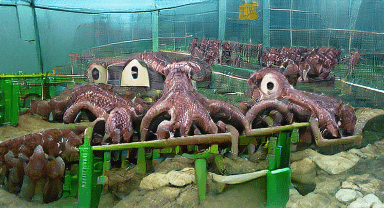
World’s first octopus farm under threat
A proposal to build the world’s first octopus farm has raised concerns among scientists and animal rights activists. The company, Poseidon Ocean Farms, claims that farming octopuses in tanks will provide a sustainable source of protein, but critics argue that it could harm the welfare of the animals and disrupt marine ecosystems. More research is needed to understand the impact of octopus farming before it is implemented on a large scale. The debate highlights the importance of considering the ethical and ecological implications of our actions as we search for sustainable food sources.