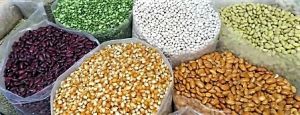
Counterfeit seeds are seeds that have been falsely labelled or packaged to deceive the buyer into believing they are purchasing a different type of seed. Counterfeit seeds can be a significant problem for farmers and home gardeners as they can result in crops that are not as advertised or even entirely different from what was intended.
There are a few ways that counterfeit seeds can be produced. One common method is to simply package low-quality seeds or seeds that have been harvested from a different plant and sell them as a higher-quality variety. Another method is to use genetically modified or patented seeds without permission and sell them as a different, non-patented variety.
The consequences of using counterfeit seeds can be severe, as they can result in lower crop yields, reduced quality, and in some cases, the complete failure of a crop. In addition, farmers and gardeners may unknowingly introduce invasive species or pests to their land by using counterfeit seeds.
Counterfeit seeds can pose a serious threat to the security of our food supply and the livelihoods of farmers and gardeners. To address this issue, various measures can be taken to enhance the security of seed production, distribution, and sales. Here are a few examples:
- Seed certification: Seed certification programs help to ensure that seeds meet specific standards for quality, purity, and authenticity. These programs involve rigorous testing and inspections of seed production facilities to ensure that seeds are genuine and free from contaminants.
- Traceability systems: Seed traceability systems can be used to track the movement of seeds from production through distribution to the end user. This can help to identify the source of any counterfeit seeds and prevent them from entering the market.
- Intellectual property protection: Seed companies can protect their intellectual property rights by patenting their seed varieties and taking legal action against those who infringe on their patents. This can act as a deterrent to counterfeiters and help to ensure that only genuine seeds are sold.
- Education and awareness: Raising awareness among farmers and gardeners about the risks of counterfeit seeds and how to identify them can help to prevent their use. Training programs and information campaigns can be used to educate people about the importance of using genuine seeds and how to recognize counterfeit ones.
Overall, a combination of these measures can help to improve the security of seed production and distribution and reduce the incidence of counterfeit seeds.