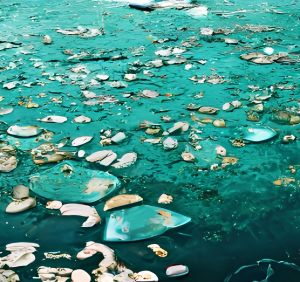
Living with water pollution can have serious health, environmental, and economic impacts on individuals, communities, and entire ecosystems. However, for many people, living with water pollution is a reality that cannot be avoided due to factors such as location, lack of access to clean water, and economic constraints. Here are some ways that people may adapt to living with water pollution:
- Water treatment: Individuals and communities may treat polluted water to make it safe for drinking, cooking, and other uses. Common water treatment methods include boiling, chlorination, filtration, and reverse osmosis. However, these methods may not always be effective against certain contaminants, and they can be costly and time-consuming.
- Alternative water sources: In some cases, people may have access to alternative water sources such as rainwater harvesting, groundwater, or surface water from other sources that are less polluted. However, these sources may also have their own risks and limitations, such as contamination from other sources or limited availability.
- Awareness and education: Individuals and communities may educate themselves about the risks and sources of water pollution, as well as ways to reduce their exposure and protect their health. This may involve seeking information from local authorities, advocacy groups, or other resources.
- Advocacy and action: Individuals and communities may advocate for policy changes and action to reduce or prevent water pollution in their area. This may involve engaging with local officials, participating in community organizing and activism, or working with environmental organizations.
- Adaptation: In some cases, people may adapt to living with water pollution by adjusting their daily routines and behaviors to reduce exposure and minimize risk. For example, they may avoid swimming or fishing in polluted water, use protective clothing or gear when working in polluted water, or choose to consume food and water from other sources.
Overall, living with water pollution can be a challenging and complex issue, with no simple solutions. However, by taking a combination of approaches such as water treatment, alternative sources, awareness, advocacy, and adaptation, individuals and communities can reduce their risk and improve their quality of life.