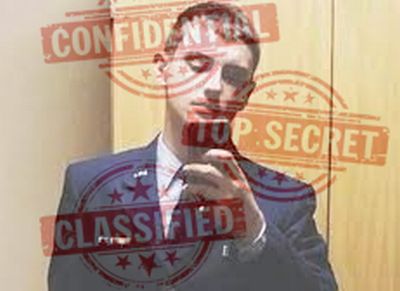
There are several scenarios in which a junior US guardsman might have had top-secret access. Firstly, they could have been assigned to a position that required access to classified information, such as working in intelligence or security roles where access to sensitive data is necessary. In these cases, individuals are carefully selected and undergo a thorough vetting process to ensure their trustworthiness and the legitimacy of their need for access.
Secondly, a guardsman might have been granted temporary access to classified information as part of a training program. This can occur when individuals are being trained for specific roles that involve handling classified material, such as intelligence officers or security specialists. Access in such cases is typically closely monitored and limited to the duration of the training.
However, the case of a junior US guardsman being charged with leaking top-secret information raises questions about how such access was obtained. It is possible that there were lapses in the vetting process or that access was granted without a genuine need to know. Ongoing investigations will hopefully shed light on the circumstances surrounding the leak and identify any vulnerabilities in the security procedures.
It is crucial to emphasize that the US government maintains rigorous protocols to safeguard classified information. These measures are in place to protect the confidentiality, integrity, and availability of sensitive data. While the majority of government employees with access to classified information are responsible and trustworthy, a small number may attempt to exploit their access for personal gain. The government remains committed to enhancing security measures and strengthening its safeguards against such unauthorized disclosures.