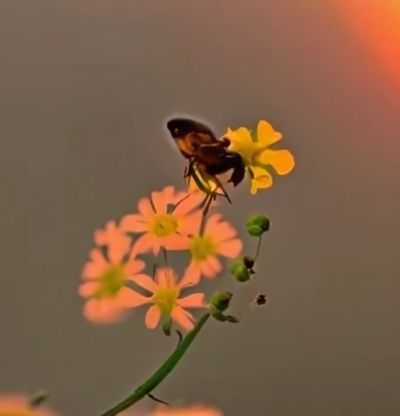
Bees and moths are vital pollinators, and it is important to recognize the significance of moths in addition to bees. Both contribute to the crucial process of pollination, which supports plant reproduction and the overall health of ecosystems.
While bees are more well-known as pollinators, moths have their own unique contributions. Moths are primarily active during the night, when bees are not active. This means that moths can pollinate flowers that bloom at night, filling an important ecological niche.
Moths also possess certain advantages as pollinators. They typically have longer tongues, allowing them to access nectar in deeper flower structures that may be inaccessible to bees. As a result, moths can transfer more pollen between flowers, making them efficient pollinators.
Additionally, moths have a role in controlling insect populations as predators. They feed on insects such as mosquitoes and beetles, contributing to natural pest control and potentially preventing the spread of diseases.
Unfortunately, bees and moths are both facing numerous threats, including habitat loss, pesticide use, and climate change. These factors have led to declines in their populations. Protecting both bees and moths is essential to ensure pollination and maintain a healthy ecosystem.
Here are some actions individuals can take to help save moths:
- Plant native flowers in your garden: Native flowers are more likely to attract moths and provide them with suitable food sources.
- Avoid using pesticides: Pesticides can harm moths and other beneficial insects, so opting for natural pest control methods is beneficial.
- Create a moth-friendly habitat: Design your garden or outdoor space to include water sources, shelter, and specific plants that cater to moth species.
- Support local conservation efforts: Get involved in local initiatives or organizations dedicated to protecting moths and other pollinators by volunteering or donating.