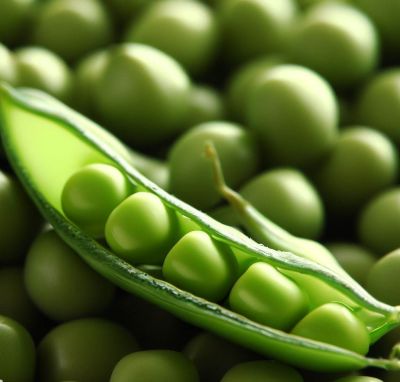
Scientists in the UK have successfully developed genetically modified peas that do not possess the characteristic taste typically associated with peas. By removing a specific gene responsible for the production of a compound contributing to the flavor, the modified peas now have a bland taste resembling other plant-based proteins like tofu and tempeh. While still in the early stages of development, these peas hold potential for revolutionizing the plant-based food industry, offering a wider array of options for creating various plant-based foods and dairy alternatives.
The introduction of modified peas represents a significant advancement in the realm of plant-based foods, potentially making them more appealing to a broader audience. By reducing the demand for meat and dairy products, which significantly impact the environment, modified peas can contribute to various benefits:
- Reduced environmental impact: Compared to meat and dairy production, which necessitate substantial land, water, and energy resources, the cultivation of modified peas has a comparatively smaller environmental footprint.
- Improved health: Plant-based diets are associated with numerous health advantages, including a lower risk of heart disease, stroke, type 2 diabetes, and certain types of cancer. Modified peas could aid individuals in transitioning to a plant-based diet.
- Enhanced sustainability: A food system primarily based on plant-based foods is more sustainable than one centered around meat and dairy products. Plant-based foods require fewer land, water, and energy resources to produce.
It is important to note that the development of genetically modified peas is still ongoing, and their potential implications warrant careful examination, including considerations related to safety, ethics, and public acceptance. Nonetheless, if successful and well-regulated, modified peas could offer an innovative solution in promoting a more sustainable and diverse range of plant-based food options.