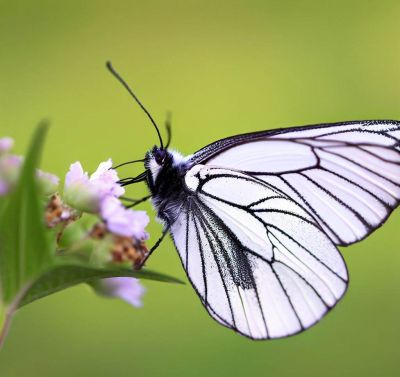
In a remarkable turn of events, the black-veined white butterfly, presumed extinct in the UK since 1925, has made a surprising comeback in the country. Initially spotted in Surrey in 2021, these elusive butterflies have been observed in other regions of southern England as well.
While the exact reasons behind the reappearance of the black-veined white butterfly are not yet fully understood, scientists believe that a combination of factors has contributed to their return. One significant factor is climate change, which has influenced the butterfly’s habitat suitability. The shifting climate has extended the range of the butterfly’s food plants, making the UK a more favorable environment for their survival.
Additionally, habitat restoration efforts have played a crucial role in the butterfly’s resurgence. Conservation initiatives focused on restoring and creating suitable breeding and feeding grounds have provided the necessary conditions for the black-veined white butterfly to thrive once again.
The reappearance of the black-veined white butterfly is cause for celebration among conservationists, as it demonstrates that species considered extinct can potentially be revived. It serves as a powerful reminder of the importance of proactive measures to safeguard and preserve our natural environment.
This encouraging development highlights the resilience of nature and underscores the significance of collective efforts to protect and restore ecosystems. It is a reminder that even in the face of daunting challenges, concerted actions can yield positive outcomes for biodiversity and conservation.