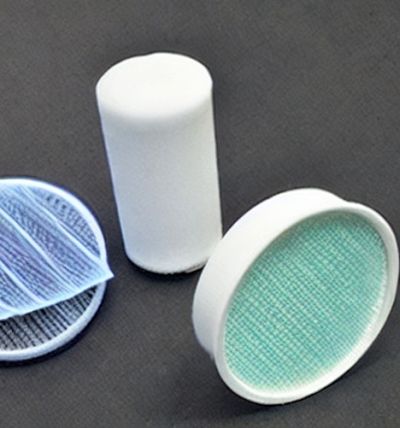
While 3D printing carbon dioxide filters is a promising development, it is important to note that the specific method described involving hydrogels and carbonic anhydrase is based on the research conducted by the team at North Carolina State University. The steps and materials may vary depending on the specific application and desired performance of the filter. Therefore, it is advisable to consult the latest research, guidelines, or expert advice for the most up-to-date and accurate information on 3D printing carbon dioxide filters.
Here are some general steps you could follow to create a carbon dioxide filter using a 3D printer:
- Design the filter: Use 3D modeling software to design the filter’s structure, considering factors like surface area, porosity, and compatibility with the desired material.
- Choose a suitable 3D printing material: Select a material that is capable of capturing carbon dioxide effectively. Hydrogels, as mentioned earlier, are one type of material that can be used due to their water-absorbing properties. However, other materials may also be suitable depending on the specific requirements and constraints of the application.
- Prepare the 3D printer: Set up the 3D printer according to the manufacturer’s instructions. Ensure that the printer is calibrated correctly and that the printing material is loaded properly.
- Print the filter: Use the 3D printer to print the filter based on the designed model. This process involves the layer-by-layer deposition of the chosen material to create the desired structure.
- Post-processing, coating, and testing: Once the filter is printed, it may require post-processing steps such as cleaning, drying, and possibly coating it with specific substances to enhance its carbon dioxide capture capabilities. Afterward, the filter should be thoroughly tested to assess its efficiency and performance.
It is worth mentioning that the development of efficient and reliable carbon dioxide filters is an active area of research, and the field continues to evolve. Consulting scientific publications, academic institutions, or experts in the field will provide the most accurate and up-to-date information regarding specific methods and materials suitable for 3D printing carbon dioxide filters.