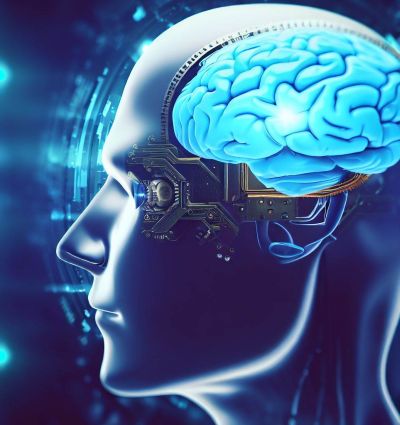
Brain implants are indeed a promising technology with the potential to help paralyzed individuals regain movement. These implants, placed in the brain, can stimulate nerves and muscles to restore motor function.
There are different types of brain implants currently being developed. Deep brain stimulation (DBS) implants, for instance, are used for treating various conditions like Parkinson’s disease and tremors. DBS implants work by delivering electrical pulses to specific areas of the brain, thereby alleviating symptoms.
Motor cortex stimulator (MCS) implants, on the other hand, are designed specifically to assist paralyzed individuals in regaining movement. MCS implants stimulate the motor cortex, the brain region responsible for controlling voluntary movements.
While brain implants are still in the early stages of development, several successful clinical trials have shown their potential in enabling paralyzed individuals to regain movement. Notably, in 2018, Swiss researchers reported a case where a man paralyzed from the waist down for 13 years was able to walk using a brain implant. Through the MCS implant, he controlled a robotic exoskeleton and accomplished tasks like walking short distances, climbing stairs, and even dancing.
These promising results suggest that brain implants could revolutionize paralysis treatment. However, it’s important to acknowledge that there are still challenges to overcome before widespread implementation.
One challenge is the cost associated with brain implants, which can be substantial. Additionally, there can be side effects such as seizures and headaches associated with their use. The implantation process itself can be complex, and there is a risk of infection.
Despite these challenges, ongoing research and technological advancements hold promise for brain implants as a future standard treatment option for paralysis. It is anticipated that with further development, brain implants will become more affordable, safer, and easier to implant, making a significant impact on the lives of paralyzed individuals.