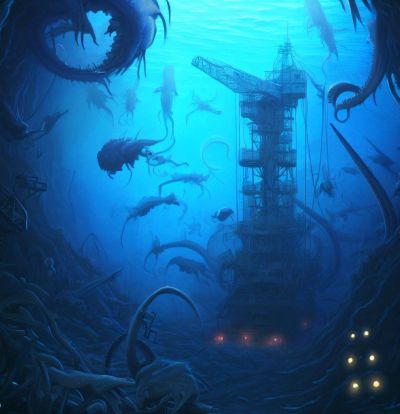
The Clarion-Clipperton Zone (CCZ) in the Pacific Ocean is indeed a deep-sea mining hotspot with a rich variety of mystery animals. The CCZ is located between Hawaii and Mexico and is known for its abundance of polymetallic nodules containing valuable metals like cobalt, nickel, and copper.
In recent years, there has been increasing interest in mining the CCZ for these valuable metals. However, concerns have been raised about the potential environmental impact of mining activities on the fragile ecosystem of the area.
A study conducted by scientists from the Natural History Museum in London revealed the discovery of over 5,000 new species of animals in the CCZ. The research also highlighted the presence of diverse habitats, including coral reefs, hydrothermal vents, and cold seeps.
The discovery of numerous new species emphasizes our limited understanding of the deep ocean and raises concerns about the potential consequences of deep-sea mining in this fragile ecosystem.
In response to these findings, the scientists who conducted the study called for a moratorium on deep-sea mining in the CCZ until more comprehensive research is conducted to assess the potential environmental impacts. They also advocated for the development of regulations to safeguard the area from mining activities.
The CCZ holds significant ecological importance and plays a crucial role in the global carbon cycle. Therefore, it is essential to take precautionary measures to protect this unique oceanic region from potential harm caused by deep-sea mining operations.