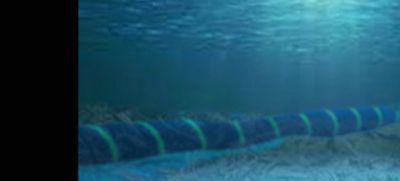
The electricity line between the UK and Netherlands, also known as LionLink, is a proposed 700km high-voltage direct current (HVDC) submarine power cable that will connect the electricity grids of the two countries. The cable is expected to be operational by 2030 and will have a capacity of 1.4GW, costing around £1 billion.
The project is being developed by a consortium of National Grid and TenneT, the Dutch transmission system operator. The cable will be the first of its kind to connect the UK and Netherlands, and it is expected to play a significant role in the integration of the two countries’ electricity grids.
The LionLink cable will be capable of transmitting enough renewable electricity to power around 1.8 million UK homes. This will help both countries to achieve their ambitious targets for reducing carbon emissions and transitioning to renewable energy sources. The cable will also provide greater flexibility and stability to the electricity grids of both countries, reducing the risk of power outages and ensuring a more secure supply of electricity.
The project has also been welcomed by the business community, who see it as a way to boost trade and investment. The Confederation of British Industry (CBI) has said that the cable will “create jobs and boost economic growth”. The Dutch Chamber of Commerce has said that the cable will “make the Netherlands more attractive for businesses”.
However, the project is facing some challenges, including the need to secure funding and the need to obtain environmental permits. The cost of the project will be split evenly between National Grid and TenneT, but it is not yet clear how much financial support the project will receive from the UK or Dutch governments. The project will also need to pass through a number of environmental assessments, including a Habitats Regulations Assessment, to ensure that it does not harm marine life or habitats.