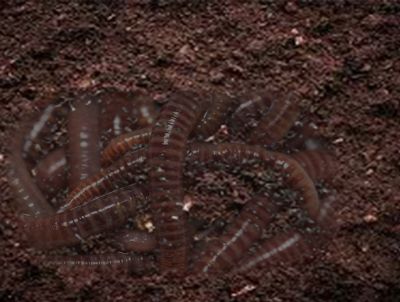
The study of worm embryonic cells has provided valuable insights into the fundamental processes that govern embryonic development. Worms have a simple body plan and a relatively short development time, making them an ideal model organism for studying embryonic development.
The ability of worm embryonic cells to regenerate is another area of research that has garnered attention. Researchers have found that some species of worms can regenerate entire organs or even their entire bodies from small fragments. By understanding the methods behind this regenerative ability, scientists may be able to develop new treatments for injuries or diseases that involve tissue damage.
The potential applications of worm embryonic cells in research and medicine are numerous and exciting. While there is still much more research is needed about these cells and their development, the progress that has been made so far holds great promise for the future.