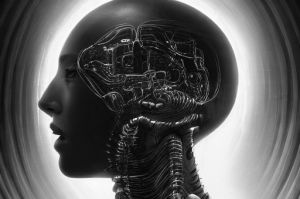
Generative artificial intelligence (AI) is a type of machine learning that can create new content, such as images, videos, and music, based on patterns learned from existing data. In the context of movies, generative AI has the potential to revolutionize the way films are made and consumed.
One way generative AI could be used is in the creation of virtual actors or characters. By training AI algorithms on vast amounts of data, filmmakers could generate lifelike digital actors that could be used in place of real actors or to augment live-action scenes. This technology could also be used to create entirely virtual environments, allowing filmmakers to create entire movies without ever leaving the studio.
In journalism, generative AI can help to automate the process of writing news articles, freeing up human journalists to focus on more in-depth and investigative reporting. In advertising, generative AI can be used to create personalized and targeted ads, increasing their effectiveness and reach. In entertainment, generative AI can be used to generate immersive and interactive stories or even create virtual actors for movies and TV shows.
However, there are also concerns about the impact of generative AI on the movie industry. Some worry that the technology could lead to a decline in demand for human actors and other creative professionals, potentially displacing jobs in the industry. Others worry about the potential for AI-generated content to be used for nefarious purposes, such as the creation of deepfakes or other forms of digital manipulation.
Overall, while the impact of generative AI on the movie industry is still uncertain, it is clear that this technology has the potential to revolutionize the way we make and consume movies. As the technology continues to evolve, it will be important to carefully consider the ethical and societal implications of its use in the movie industry and beyond.