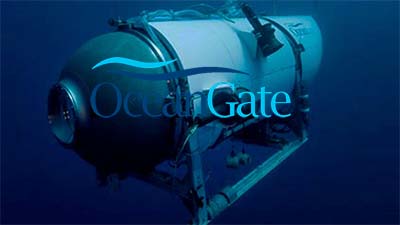
The ocean exploration community has been left stunned by OceanGate’s announcement to suspend all ocean exploration operations following the implosion of its submersible, Titan. The tragic incident occurred during a dive to the Titanic, resulting in the loss of all five crew members on board.
The cause of the implosion is still being investigated, but OceanGate speculates that it was due to a “catastrophic failure” of the submersible’s pressure hull. The company is fully cooperating with the investigation and aims to resume ocean exploration activities in the future.
This suspension is a significant blow to OceanGate, which was a prominent player in the field of submersible tourism, allowing people from around the world to experience the wonders of the deep ocean.
The implosion of the Titan is a heartbreaking event, and our thoughts go out to the victims and their families. The investigation into the accident is essential to determine the cause and potentially prevent similar incidents from occurring in the future.
The decision to halt operations serves as a poignant reminder of the inherent dangers of ocean exploration. Despite technological advancements, submersibles remain inherently risky vehicles, and accidents can happen.
The future of ocean exploration now faces uncertainty due to this setback. However, it is hoped that the investigation will lead to enhanced safety measures to prevent similar tragedies.
Ocean exploration is a vital field for scientific discovery and understanding the planet’s vast and mysterious oceans. Nevertheless, this incident underscores the need for utmost caution and stringent safety protocols in this challenging and high-risk domain.