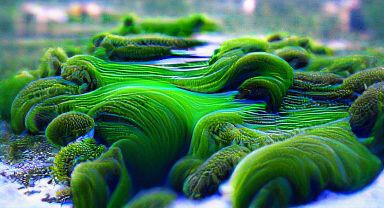
Florida is a state in the southeastern United States that has been experiencing significant problems with toxic algae in recent years. Specifically, harmful algal blooms (HABs) caused by the species of cyanobacteria called Microcystis aeruginosa have been observed in the state’s waterways, particularly in Lake Okeechobee, the St. Lucie River, and the Caloosahatchee River.
These toxic algae blooms are caused by a variety of factors, including nutrient pollution from agricultural runoff, urbanization, and climate change. When nutrient levels in the water are high, these types of algae can thrive and create harmful toxins that can be dangerous to humans and wildlife.
The toxic algae blooms can have a range of negative impacts on the environment and public health, including fish kills, respiratory problems, skin irritation, and even liver damage if ingested. They can also harm Florida’s tourism industry, which relies heavily on the state’s beautiful beaches and waterways.
Efforts are underway to address the problem, including stricter regulations on nutrient pollution and increased funding for research and monitoring. However, the issue of toxic algae blooms remains a significant challenge for Florida and the broader scientific community.